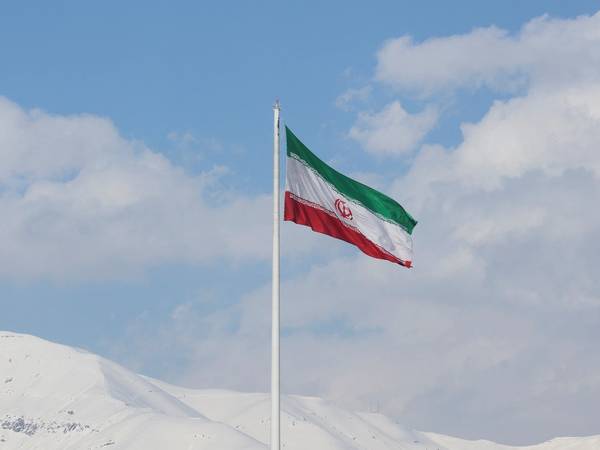
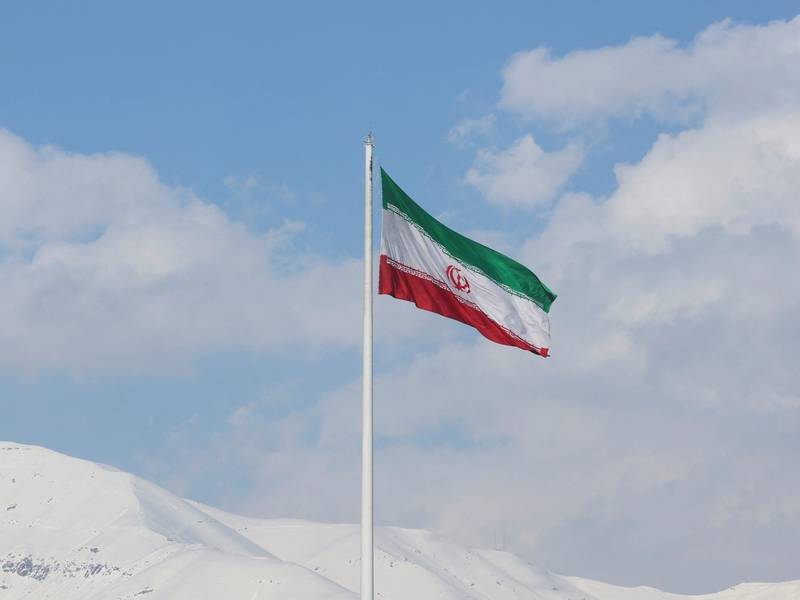
Amid growing regional and international pressure on the Taliban, the Islamic Republic of Iran has intensified its outreach to Afghan political opposition figures in an effort to promote reconciliation and a political arrangement with the Taliban.
Multiple sources say Tehran has recently hosted several political leaders and representatives of anti-Taliban factions.
A well-placed source, speaking on condition of anonymity due to the sensitivity of the issue, told Afghanistan International that Iran is seeking an agreement between the Taliban and the political opposition that would preserve the Taliban’s rule. According to the source, Iran has become the Taliban’s closest regional ally and is increasingly concerned about the consequences of escalating tensions between the Taliban and Pakistan.
The source said the Taliban has served Iran’s interests over the past four years, noting that Iran’s trade volume with Afghanistan under Taliban rule now exceeds its total trade with all European countries.
At the same time, other sources reported meetings in Tehran between Iranian officials and several prominent Afghan opposition figures. According to these accounts, Iranian authorities have held talks with a former vice president, a former deputy chief executive, a former national security adviser, a former foreign minister, representatives of political leaders, members of an anti-Taliban military front, and a former governor of Balkh encouraging them to seek reconciliation with the Taliban.
Hanif Atmar, Afghanistan’s former foreign minister, and a source close to Atta Mohammad Noor, the former Balkh governor, denied to Afghanistan International that they had travelled to Tehran or met Iranian officials. However, images circulated in recent days showed Batur Dostum son of former vice president Abdul Rashid Dostum and leader of the National Islamic Movement Party of Afghanistan at the Espinas Hotel in Tehran. The party has not commented on the purpose of his visit.
Reliable sources told Afghanistan International that Taliban opponents plan to hold a unity meeting in the coming days, bringing together traditional anti-Taliban leaders from the National Resistance Council for the Salvation of Afghanistan and several officials of the former Afghan government.
A forthcoming declaration is expected to emphasise resolving Afghanistan’s political crisis through intra-Afghan negotiations and agreement; restoring national sovereignty through the establishment of a legitimate, representative government; protecting human rights and combating discrimination; and expanding humanitarian assistance.
Iran’s move to rally Taliban opponents comes as Pakistan is also seeking contact and cooperation with anti-Taliban groups. Some sources say a high-level delegation from Jamiat-e-Islami may soon travel to Pakistan. One source said Iran fears Pakistan may empower the opposition and further weaken the Taliban administration, prompting Tehran to push for the opposition to move closer to the Taliban.
Relations between the Taliban and Pakistan have sharply deteriorated in recent months. Pakistani diplomats have openly raised the prospect of “regime change” in Afghanistan and have called for engagement with the Taliban’s opponents.