Australia’s Foreign Ministry has announced the establishment of an independent sanctions framework targeting at least 140 Taliban individuals and entities, aimed at holding the group accountable for its repression of women and girls.
Australia is the first country to formally integrate a Taliban-specific sanctions system into domestic law.
The ministry said the framework was created in response to the Taliban’s continued suppression of women, girls, minorities and the broader Afghan population since August 2021. The system incorporates into Australian law the Taliban figures and entities already listed under United Nations Security Council sanctions.
Under the new framework, restrictions are imposed on providing weapons, services, training, advice or commercial activity to designated Taliban individuals and entities. Travel bans also apply to those listed.
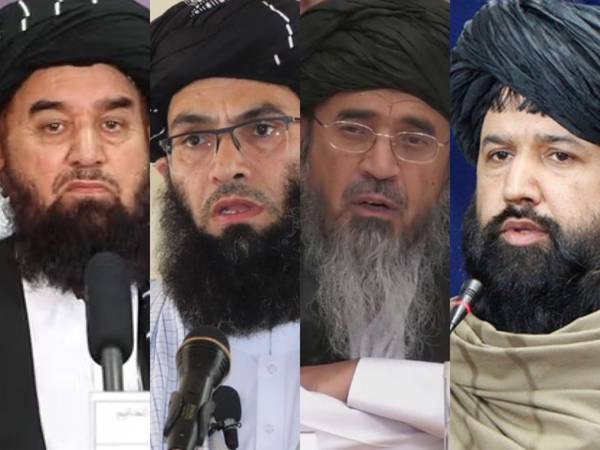
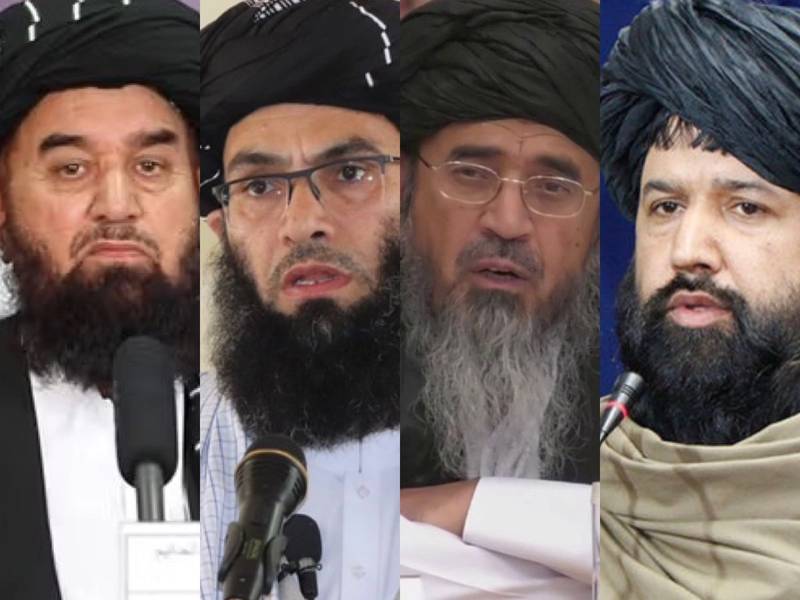
Simultaneously, Australia announced financial sanctions and travel bans against several senior Taliban officials, whom it described as “so-called ministers,” along with the group’s chief justice, citing their roles in violating women’s rights and undermining governance and the rule of law. Those sanctioned include:
Mohammad Khalid Hanafi
The Taliban minister responsible for the Propagation of Virtue and Prevention of Vice, Hanafi is known for hardline positions on women’s rights. Measures under his leadership include compulsory full-body coverings for women, bans on music and artistic expression, restrictions on foreign media, compulsory mosque attendance, and prohibitions on women travelling without a male guardian.
Neda Mohammad Nadim
The Taliban’s higher education minister, Nadim is aligned with the Kandahar hardline circle loyal to Taliban leader Hibatullah Akhundzada. He banned women from attending universities in 2022 and has said that critics of the Taliban system “deserve death.”
Abdul Hakim Sharei
The Taliban justice minister, educated at Darul Uloom Haqqania in Pakistan, has said the Taliban’s duty is to enforce Islamic law rather than respond to international criticism. He also heads the commission charged with reclaiming land designated as “Emirati land,” a process in which affected individuals cannot file complaints.
Abdul Hakim Haqqani
The Taliban chief justice and a founding member of the movement, Haqqani previously served as chief justice during the 1996–2001 Taliban regime. A close confidant of Akhundzada, he oversees a powerful council of religious scholars.
Australia Tightens Pressure on the Taliban
The Foreign Ministry said the new sanctions regime reflects Australia’s firm stance on Afghanistan’s deteriorating human rights situation. The objective, it said, is to increase pressure on the Taliban over the repression of women and girls and to hold the group accountable.
The framework includes a humanitarian exemption under UN Security Council Resolution 2615 to ensure aid and essential services can continue. Australia has also introduced a group permit system to help facilitate humanitarian work when restrictions arise.
Australian sanctions law applies both within the country and to Australian citizens and entities abroad. Violations carry criminal penalties, including potential imprisonment and substantial fines.
Australia has provided more than USD 260 million in humanitarian assistance to Afghanistan since the Taliban takeover, with an additional USD 50 million allocated for the 2026 fiscal year, prioritising support for women and girls.