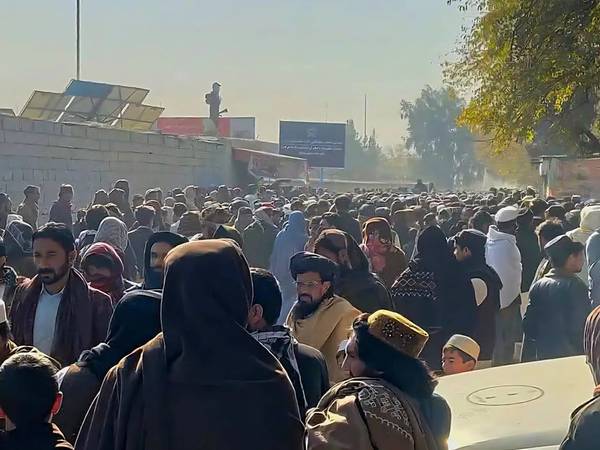
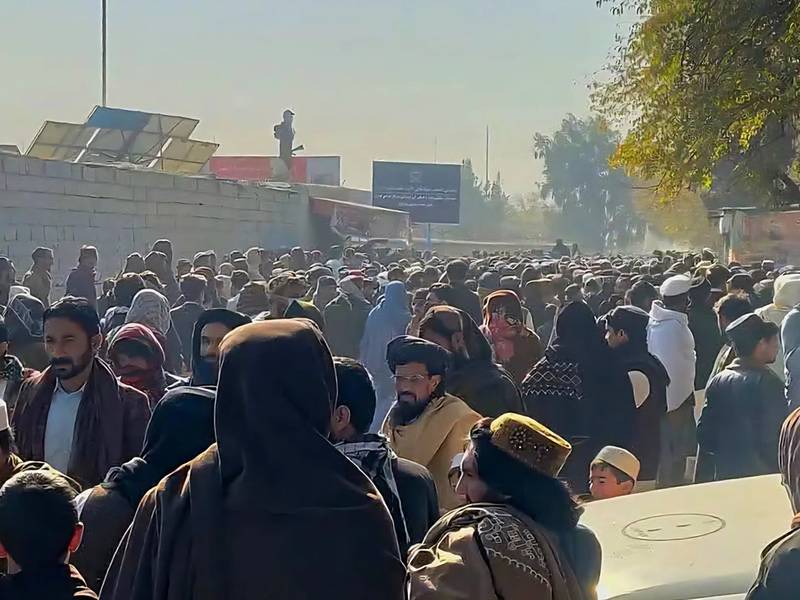
The Taliban governor’s spokesperson in Khost said on Tuesday that an estimated 80,000 people gathered at a stadium in the provincial centre to watch the public execution of a man convicted of premeditated murder. The Taliban had urged the public a day earlier to attend.
The Supreme Court said the man, identified as Mangal, a resident of Khost, was executed after Taliban leader Hibatullah Akhundzada upheld the death sentence following reviews by three courts. He had been convicted of killing Abdul Rahman, the son of Zabit.
According to the Taliban, the victim’s family was asked to offer “forgiveness and reconciliation” but declined.
Citing Atiqullah Darwish, head of the Supreme Court’s Criminal Division, the governor’s spokesperson wrote on X that this was the eleventh execution carried out under Taliban rule. He said two others convicted in the same case had also received death sentences, but their executions had been postponed due to the absence of the victim’s heirs. He said the executions would proceed once the heirs were present.
The United Nations has repeatedly called on the Taliban to halt executions in Afghanistan, but the group has dismissed such appeals, saying it is committed to implementing “Islamic law.”
Human-rights organisations say the Taliban’s judicial process fails to meet basic standards and that defendants are routinely denied due-process rights, including access to legal counsel. Public floggings remain widespread across multiple provinces.
The Taliban regularly summon crowds to witness executions and corporal punishment, a practice critics describe as a form of psychological coercion intended to instil fear among the population.
Authorities in Khost had banned smartphones at the execution site.